

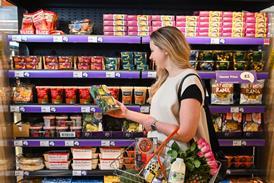
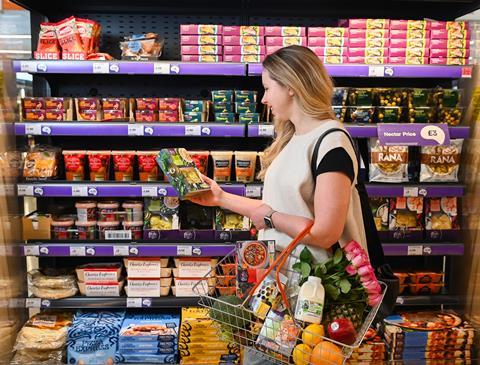
Own-label sales now make up more than 50% of total UK grocery volumes, according to new analysis by Circana.
Researchers analysed millions of transactions spanning 230 fmcg categories, in each of the six largest grocery markets in Europe. In the UK, private label share by volume had risen to 52% over the past 12 months. Penetration is highest in Spain, which has an established discounter market, at 59%. It was 56% in the Netherlands, and dropped to 46% and 36% in Germany and France respectively.
Overall, the total volume of own-label lines sold across all six combined rose by more than three percentage points over the past 12 months, pushing the average proportion above 50% for the first time. It is expected to grow further throughout 2026.
The cost of living crisis played a significant role, as shoppers traded down from brands more frequently in order to mitigate price rises and inflation. However, supermarkets were also offering much more compelling offers, especially on premium lines. Marketeers were also effectively harnessing social media to appeal to younger shoppers.
Worth €324bn, overall private label now accounted for 42% of sales value across all six markets.
“Supermarket private label brands have spent the past decade becoming powerful brands in their own right,” said Ananda Roy, Circana senior vice president of strategic growth insights.
“Given that a normal shopping basket today costs the same as a premium basket did last year, price-conscious consumers are making hard decisions about which products to buy,” Roy said.
“Retailers’ product ranges include cheap basics, premium treats, healthy and high-protein foods, and trendy lifestyle items which are proving a trusted and attractive alternative to national brands and changing how people shop all over the world.”
As food inflation surged, retailers had turned to own label as a way of maintaining their value perception through everyday low pricing, price matching and on-shelf promotions. Both Sainsbury’s and Tesco have reported record volumes of their premium own-label ranges over the past year.
However, branded items were being discounted “far more heavily” compared to private labels, Circana found. Around 34% of branded units were sold through promotion, compared to 14% private label across Europe.
The use of AI and online shopping is likely to boost sales further over the next year, because they make it easier for shoppers to compare cheaper products, which tend to be own label, Circana said.
“Retailers are also targeting younger generations, who are less loyal to big brands, with TikTok shops and viral moments. Discounters are opening more stores and AI makes it easier than ever before to compare products on price and function alone. National brands will need to rely on more than just the reputation of their brand name or heavy discounts to tempt shoppers away.
“The cost of living crisis is expected to intensify in the second half of the year as the war in Iran increases the prices of fertilisers, transport, distribution and ingredients. This is likely to give retailers another boost, with private labels growing quickly again as households look for ways to save money.”
No comments yet