
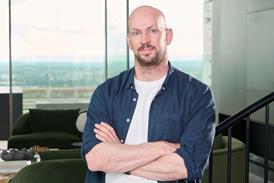
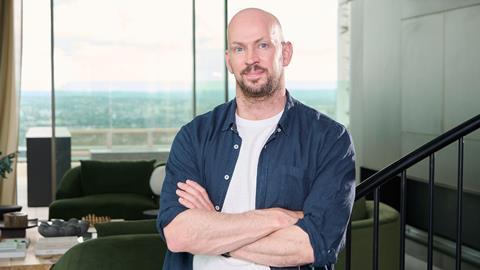

In perhaps the least surprising news of all time, BrewDog’s limelight-hogging founder is back.
Two years after standing down as CEO of BrewDog, James Watt is to return to the drinks industry with the launch of a beer brand called Second Best.
Announcing the venture on social media on Friday (22 May), Watt promised to “build a world class beer business that we all collectively own”. That pledge will see him give away roughly a fifth of the new business to retail investors wiped out by BrewDog’s pre-pack sale to Tilray Brands in March.
“If we get this right then the second beer business that we build together might just be the best one,” Watt added.
So, what might Second Best look like,and how likely is it to be a success?
Emotional response
Less than three months on from BrewDog’s spectacular collapse and subsequent sale to Tilray, Watt’s return has provoked an immediate and emotional response.
“I bought shares in BrewDog and I personally was ripped off,” one aggrieved former shareholder wrote on LinkedIn. “I don’t know how you have the nerve to put this post up.”
On Reddit, another described the former Atlantic fisherman as a “shameless grifter” who was trying to “redeem his tattered image with a new grift”.
Others, however, praised the decision by Watt to offer 19.3% of the company to former ‘Equity Punk’ shareholders.
“It takes real grit to come back after public criticism and try to rebuild trust in a different way,” another LinkedIn commentator said. “I believed you when you said you felt the weight of what happened to many Equity Punks, and this feels like somebody genuinely trying to put actions behind words.”
Token gesture
The decision to give away shares in Second Best to former punks looks a sensible one. Without it, it’s hard to see how Watt’s new business would even get off the ground, such was the strength of negative feeling among shareholders following BrewDog’s collapse.
By doing so, Watt might secure buy-in from at least some of the 200,000-odd beer lovers hoodwinked into bankrolling BrewDog to the tune of £75m between 2009 and 2021.
But until Watt is able to show his venture is credible, the shares in Second Best are barely worth the paper they’re written on. BrewDog was valued at $2bn at its peak, and Second Best will have to go a long way to deliver even a slither of that figure for its new shareholders.
Market factors
Plus, Second Best will launch into a market that is wildly different from the one that BrewDog burst into almost two decades ago.
Back then, good-quality beer from British brewers was in short supply, and consumers lapped up BrewDog’s turbocharged IPAs, quaffable pale ales and big barrel-aged stouts with abandon. By offering something genuinely different, backed by out-there guerilla marketing tactics, BrewDog was able to transform the British beer landscape.
Since then, interest in craft beer has waned, and many brewers are struggling to stay afloat amid sky-high operating costs. Across the UK there was a net loss of 150 breweries last year, according to Companies House data.
Add in the fact that access to the market is more tightly controlled by big brewers than ever, and that consumers are increasingly picky about when they choose to drink alcohol, and Second Best will face an uphill struggle to replicate BrewDog’s success in 2026.
Contract brewing model
Watt has given precious little detail about when the first Second Best beers will launch, and what they might look like.
However it feels likely the business will seek to avoid costly input costs by adopting a contract brewing model, relying on other brewers with excess capacity to produce and package its beers. Reports in the FT also suggest Second Best will specialise in selling canned beer, rather than producing products for sale in pubs.
This looks savvy, given the challenges facing the hospitality industry at present, and the fact BrewDog’s unprofitable pub empire was a major factor in its downfall. Watt told the FT on Friday that Second Best may look to launch a couple of specialised beer-focused pubs in the future, however.
Meanwhile, the business will also launch “a really interesting alcohol-adjacent concept” while it awaits “the relevant licenses and legal consents” to start producing beer. Given the convergence of alcohol and soft drinks in recent years, and the aforementioned moderation movement, this also feels smart, if not essential.
Small and nimble
Posting on LinkedIn earlier today (26 May), Watt revealed his aim for Second Best would be to create a business that was “smaller”, “more focused” and “more obsessive about quality”.
He also shared imagery of work-in-progress branding, revealing minimalist prototype artwork that couldn’t be further from the loud, aggressive graphic style associated with BrewDog. It certainly feels more of-its-time than the Scottish brewer’s current branding, which already looks stale less than a year after a last roll-of-the-dice rebrand last year.
The problem for Watt, however, is that – in the eyes of most – it isn’t BrewDog with the reputation tarnished most by its untimely demise, but that of its former founder.
And that reputation is going to need more than a new beer brand and the giveaway of a few flimsy shares to repair.

1 Readers' comment