

The private investment vehicle of 2 Sisters Food Group owner Ranjit Singh Boparan has snapped up German poultry processor Heidemark, Ahlhorn.
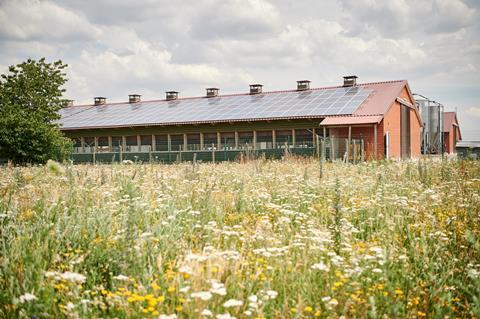
Heidemark is a third-generation family-owned business, based in Lower Saxony, and describes itself as Germany’s largest turkey processor. It has a 50% market share in its home market, employing more than 2,000 staff.
The value of Boparan Private Office’s purchase of the supplier was not disclosed. But following Heidemark’s acquisition of poultry producer Gut Bergmark last April, the group’s total revenue was near the €1bn mark, according to German media reports – which indicated a sale process began last autumn.
Birmingham-headquartered BPO said the business would form part of its European poultry division Storteboom Food Group – acquired from sister business 2 Sisters in a €200m deal in September 2024.
BPO added the deal would “complement our footprint as a poultry producer within Europe”, with the Heidemark business integrated “as an independent German business unit, complementing operations in the Netherlands, Poland and Republic of Ireland”.
Heidemark’s leadership, management and employees “will all be retained and will continue to drive the strategy already outlined for the business”, BPO added. Heidemark will continue to operate under its existing company name, with CEO Andres Ruff and his leadership team “committed to delivering the next phase of growth”.
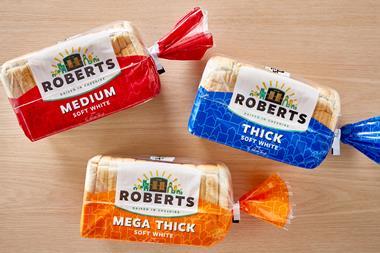
Read more: What next for rescued Roberts Bakery following Boparan deal?
The closing of the transaction is subject to merger control clearance by the European Commission. Both companies said they expected “an appropriate and speedy conclusion within the framework of the legal procedure”. Until the conclusion of the antitrust process, both companies would continue to operate independently of each other.
“We are delighted with this acquisition and wish to thank [Heidemark owners] the Kalvelage family for entrusting us with the next generation of growth for the business,” said Ranjit Singh Boparan.
“The business fits perfectly into our wider group ‘Next Gen’ strategy as we look to develop our manufacturing facilities to deliver enhanced automation, innovation, productivity and net zero sustainability,” he added. “We have huge respect for the Heidemark business and believe there is much we can learn from each other in the years ahead.”
BPO’s promise “that all employees will keep their jobs, and that management will remain on board was very important to us”, said Heidemark owner Christopher Kalvelage.
The company’s expertise in poultry “supports our plans on a broader European level”, added Storteboom CEO Veli Moluluo. “The acquisition is part of a long-term European strategy that is geared towards sustainable capacity growth, the expansion of product innovation and the strengthening of transparent supply chains.”
Read more: Why has the ‘Chicken King’ sold poultry arm to himself?
The deal adds further heft to the bottom line of the BPO, which after a slew of acquisitions over the past two years is now larger than the 2 Sisters Food Group. Alongside Roberts Bakery, which was acquired last October, the business also includes UK poultry farming operation Hook 2 Sisters, bought from 2 Sisters and joint venture partner PD Hook Group last June.
Other companies within the now-sprawling BPO empire include UK turkey giant Bernard Matthews, Banham Poultry and restaurant chains Carluccio’s, Gourmet Burger Kitchen and Giraffe. A source close to Boparan last year told The Grocer the BPO’s long-term strategy was to create a truly private company free from the shackles of the City and bondholders – which had stifled the growth potential of 2 Sisters.
And while the Storteboom business focuses primarily on the EU, its relationship with 2 Sisters has facilitated the supply of European poultry into UK supermarkets too, over the past year.
The Grocer exclusively revealed last March that Asda had quietly ended its 100% British chicken sourcing pledge by stocking chicken reared in Germany and slaughtered in the Netherlands, supplied by Storteboom. Other retailers such as Iceland and Farmfoods also source European chicken from the business.
With the supply of British turkey also tight in recent years due to a consolidation within the sector, imports have also become more prevalent, according to industry sources, particularly in the run-up to the festive period.



No comments yet