
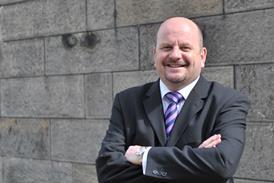

Sainsbury’s is “observing closely” the impact weight-loss injections could have on trading, but CEO Simon Roberts has defended the supermarket’s “strong” offer as rivals ramp up their GLP-1-friendly ranges.
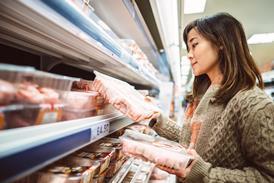
“Across the broad spectrum of all of our offer in fresh, in proteins, in fruit and veg and high-fibre products, these are all the categories that are becoming more important in the context of GLP-1, and we’re strong in those areas,” he told media during a trading call today (9 January).
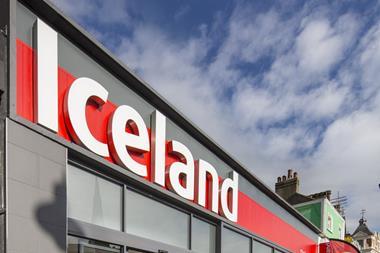
Rival grocers including Morrisons, M&S, Co-op and Iceland have all been quick to roll out specific ‘GLP-1-friendly’ ranges this year to cater to users, including high-fibre, nutrient-dense ready meals.
When questioned if Sainsbury’s was also planning to bring out any lines to tailor to GLP-1 users, Roberts said that “so many parts” of the supermarket’s offer, including “the strength of fresh food” and the continued expansion of its protein-based products are already “really playing into what customers expect”.
Late last year, Sainsbury’s hinted at the launch of a new own-label high-fibre range after its application to trademark the brand ‘Sainsbury’s Full On Fibre’ was accepted by the Intellectual Property Office on 27 November.
The application covers four classes including meat and fish, fruit and vegetables, dairy, coffee and tea, bread, confectionery, beers and non-alcoholic drinks. Sainsbury’s declined to comment on the application at the time.
Looking to the broader health trend, Roberts said one of the biggest growth categories over the Christmas period was low & no-alcohol.
“We really focused on that category, we’ve got a lot more space in stores, we had a really extensive range and actually, within that area, we invested in Taste the Difference products in low & no and that really worked for customers, with a very substantial increase year on year there.”
However, he added that consumers continue to treat themselves, noting that over the festive period, Sainsbury’s saw its “biggest-ever volume growth” in confectionery.
Customers to ‘remain cautious’
It comes as the supermarket reported a 5.4% rise in grocery sales in the 16 weeks to 3 January but saw general merchandise sales down 1.1% as sales at Argos declined 1%.
Roberts said while volumes grew year on year in general merchandise and it stole share in a “number of key categories”, higher-ticket items such as furniture and gaming saw softer sales. However, the business is now “very focused on making Argos stronger”.
“We’ve added substantial new ranges through direct fulfilment with 20,000 new products added to the Argos platform, and we’ve had a big increase in the number of customers using the Argos app.”
In September, Sainsbury’s plans to sell Argos to Beijing-based retailer JD.com collapsed less than 24 hours after the late-stage talks were revealed. The grocer said it terminated discussions after JD.com was only “prepared to engage on a materially revised set of terms and commitments”.
In November, Roberts confirmed the supermarket giant was “not currently in any discussions” to sell the Argos business, and added today that it is now “very focused on delivering our More Argos, More Often plan and all of our focus is about that.”
However, he admitted: “I think the conditions aren’t going to change this year, with cautious customers in general merchandise,” but added this was less of a concern in its grocery business.
“What we saw in grocery and food was customers really trusting our value offers. Customers were cautious about their spending, but they really responded to the strength of our value and quality and service. We’re growing against the market every quarter, and we continue to expect that to happen. I think this caution is more about the general merchandise market.”



No comments yet