




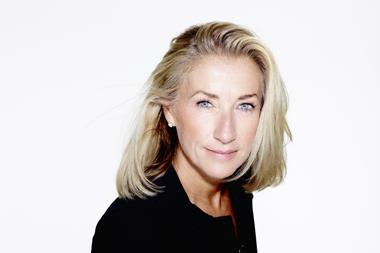
Swedish-based coffee company Löfbergs has hired Anneli Ellsäter as its new chief executive.
Ellsäter will take on the job at Löfbergs on 1 October, succeeding Anders Fredriksson, who is moving on to become CEO at fmcg conglomerate Humble Group.
Ellsäter had more than 20 years of experience in senior positions within international consumer and brand-focused companies, Löfbergs said. Most recently, she served as global vice president at Flora Food Group, having previously held senior positions at companies including Tomora, Telia and Procter & Gamble.
She will be the first-ever female CEO of Löfbergs.
“We are very pleased to welcome Anneli to Löfbergs,” said Löfbergs chair Kathrine Löfberg. ”She brings the international experience, commercial expertise and ability to lead change needed to take the next step in our development. At the same time, she is a warm and engaging leader who builds strong teams and helps people grow.
“Her experience and leadership are a very good fit for Löfbergs, and we are confident she will make a strong contribution to our continued development.”
Ellsäter added: “Löfbergs is a company that many people know and have a connection with. At the same time, it is so much more than a coffee brand. There is a strong company culture, a clear commitment to sustainability, and a long-term perspective that I find very inspiring.
“As a family-owned company, Löfbergs can make decisions with a long-term perspective. This creates opportunities to build a strong business across generations, while taking responsibility for people, relationships and sustainable development. That combination is very appealing to me.
“I look forward to getting to know the business even better and, together with our employees, customers and other partners, continuing to develop the company.”
Löfbergs is a family-owned coffee roastery founded in Karlstad, Sweden, in 1906. It operates across several markets in Northern Europe, including in the UK, where it launched in 2022.
It produces more than 10 million cups of coffee every day, with around half of its production exported.





No comments yet