





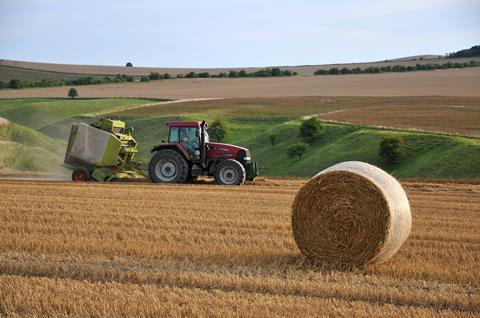
The conflict in Iran has pushed up agricultural input costs significantly forcing a ‘cost of farming’ squeeze, Andersons has warned.
The farming consultancy has released new data showing so-called agflation is up 7.6% annually, more than double that of the national inflation rate of 3% and food inflation at 3.2%.
At the same time prices for agricultural outputs are falling, now 6.5% lower year-on-year, which Andersons warned highlighted a “clear ‘cost of farming’ squeeze”.
It showed agflation is rising at its fastest rate since early 2022 but in contrast to that time, global grain and milk supplies remain ample subduing output prices. This is “intensifying profitability pressure faced by UK farmers”.
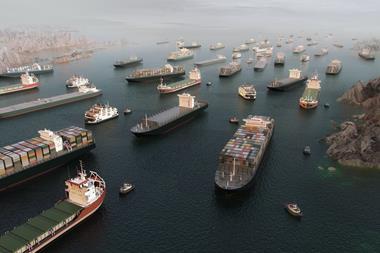
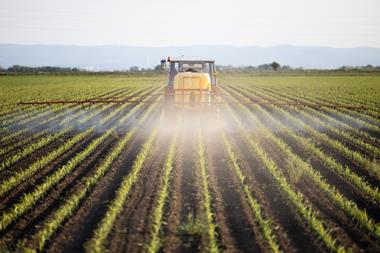
Fertiliser costs are a particular challenge as around 30% of global urea supply, a key source of nitrogen fertiliser, is constrained by the Strait of Hormuz, and the production of ammonium nitrate is closely linked with gas prices.
Andersons warned that this presents immediate cost pressure, particularly for dairy systems with ongoing fertiliser demand through spring and summer. While most UK arable fertiliser has already been purchased, exposure remains for later applications globally.
The consultancy warned that other rising prices, including red diesel, are feeding through into machinery and contracting costs.
Looking ahead, higher costs and inflationary pressures for consumers is likely to bring about another cost-of-living squeeze, which is anticipated to particularly impact red meat where prices have significantly increased.
“This points to a challenging outlook for UK farming, with margins under pressure from both sides at a time when support is declining in real terms,” it warned.






No comments yet