


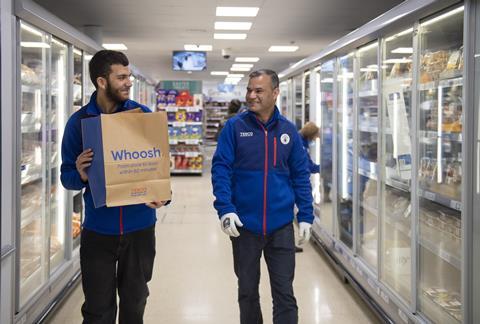
More than two-thirds of Brits are aware of rapid grocery delivery services like Whoosh, Uber Eats and Morrisons Now, but usage remains limited, according to a survey by YouGov.
Of those that had heard of the growing number of rapid grocery offerings, three-quarters had never used them, with most of those that had done so less often than once a month.
The most widely reported usage pattern is using the service less than once a month (13%), with 3% of the 2,591 adults surveyed using such services once a week. Only 1% used rapid delivery of groceries on a daily basis.
Younger consumers showed slightly higher engagement, with 4% of 18 to 24-year-olds reporting daily use, but this “still represents a niche behaviour” YouGov said.
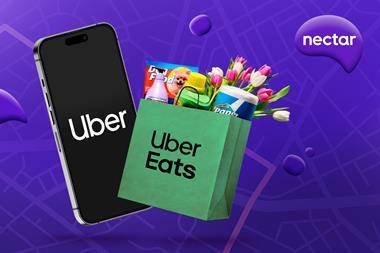
Most supermarkets are available on the major aggregator apps like Deliveroo, Uber Eats and Just Eat and have been for several years. Some retailers have established their own quick commerce apps, though all rely on the aggregators’ courier network to fulfil the orders.
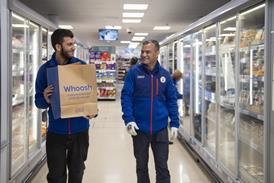
The biggest among them is Tesco Whoosh, which launched in 2021, and has since expanded it to more than 1,500 stores nationwide. It was “now a really meaningful business” Tesco CEO Ken Murphy told analysts in a results call last year. Tesco has been upgrading the service to offer full-basket shops with no upper weight limit. “We think we’re about, say, 25% into the opportunity for Whoosh,” Murphy said on the call.
Meanwhile, Sainsbury’s has been quietly stepping up the expansion of its Chop Chop service across the country, following its launch in 2020.
In October, Morrisons launched its own sub-one hour on-demand delivery service Morrisons Now.
According to YouGov’s survey, convenience is the leading motivation for using such services (47%). Fast delivery or saving time motivates 43% to use the apps, while an equal proportion said they used them for urgent needs, such as when they have forgotten an item.
More than a third of users (36%) said rapid delivery helped them avoid trips to physical stores, while around a quarter (24%) highlighted the ease of ordering as a driver.
However, nearly half said the service was not necessary for regular shopping (47%), and a similar share, 45%, said they prefer shopping in person.
Delivery cost was another significant barrier, with 40% saying fees were too high. These cost concerns were particularly pronounced among younger and middle-aged consumers.




No comments yet