





British Apples & Pears has defined what it means to regeneratively grow apples and pears.
The organisation said the move provided the industry with a “clear, crop-specific framework for understanding and advancing regenerative practices”.
Recognising regenerative growing as a “journey of continual improvement”, it focuses on creating “productive, resilient orchards” that work with natural systems and support healthier soils, biodiversity and responsible resource use.
BAP said typical practices include but were not limited to maintaining permanent ground cover; minimising soil disturbance and increasing soil organic matter; supporting natural pest and disease management; and using water, nutrients and energy efficiently.
It also covers food waste, with the definition including “maximising the use of each season’s crop” by directing fruit that does not meet retail specifications elsewhere.
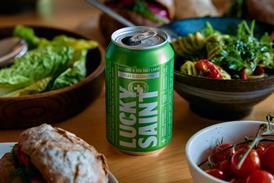
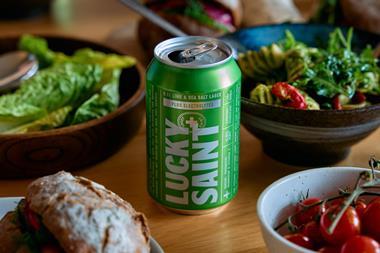
The announcement comes as a growing number of businesses have looked to engage with regenerative farming. This month Hawkstone and Wildfarmed launched Wildthing, a lager made with regeneratively farmed barley, and Waitrose released a two-episode YouTube series in August exploring its work with the concept.
However, as said by BAP executive chair Ali Capper, regenerative farming is “widely discussed but not always clearly defined – particularly for perennial crops”.
“Our new definition gives growers, retailers and the wider supply chain a shared and practical understanding of what regenerative apple and pear growing means in a perennial orchard system,” Capper added.
Industry research published ahead of British Regenerative Farming Week this month by Eurostar Commodities showed that 100% of respondents to its survey believed regenerative farming was important for the future of British agriculture – however 42% did not understand its wider benefits for biodiversity, water retention and carbon reduction.
Some 92% regarded regenerative farming as either very important or quite important to their own businesses, with 67% of respondents saying their businesses were already using ingredients produced through regenerative farming, and a further 17% investigating their use.
The organisation concluded that enthusiasm for regenerative farming was growing faster than understanding of it.
The survey also found that factors including competitive pricing, a lack of knowledge and consumer understanding, and difficulty verifying claims were barriers to engaging with regenerative farming.
“Businesses recognise that regenerative farming matters and they want to be part of its future,” said Eurostar Commodities MD Jason Bull. “What is equally clear, however, is that we have much more work to do to explain why it matters and what it can achieve.”




No comments yet