

The food & drink industry is sceptical the plans will have any effect
After its ill‑fated proposal for a voluntary supermarket price cap, the government will have hoped its latest move to cushion the looming inflation from the Iran war would land more smoothly.
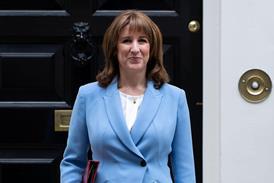
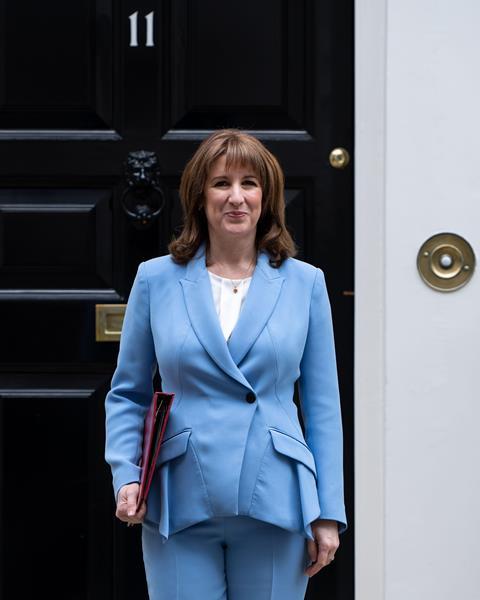
But instead, Rachel Reeves’ decision last month to suspend tariffs on ‘everyday’ 125 food imports, including bananas, pizza and bread, risks becoming yet another food policy misstep, amid claims the proposals – branded “pathetic” by some food sector insiders – will do little to shield shoppers from rising costs.
The Chancellor said the “targeted” proposals, which are subject to industry consultation and due to run until the end of 2028, would “ease pressure on household budgets” against the backdrop of looming food price price increases due to the ongoing Iran conflict.
But with the Treasury’s own figures suggesting cuts will potentially only save shoppers £150m a year – not much more than £5 per household – any benefits “would need a magnifying glass” to spot, according to one sceptical industry source, who dismisses the proposal as a “political exercise”.
So, just how effective could they be in cutting food prices?
The architecture of the problem
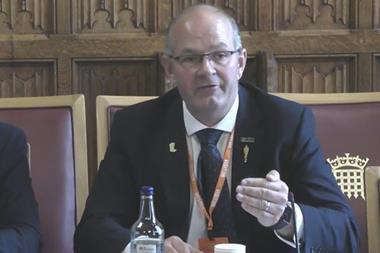
The proposals, which follow an earlier tariff suspension on products including pasta, juices, tuna and oranges in April, received short shrift from NFU president Tom Bradshaw, who is “not convinced it will help curb food price inflation”, and would merely undercut domestic producers.
It also sent “a worrying signal – that at times of crisis, [the government’s] instinct is to look overseas rather than to strengthen domestic food production and reduce exposure to global shocks”, Bradshaw said.
His doubts over the effectiveness of the package are shared by the Food and Drink Federation, whose analysis of the two tariff suspension packages shows any impact on prices would be minimal.
The first issue is straightforward: most of the listed products don’t face meaningful tariffs in the first place.
“We estimate that 92% of the products in the April package already come in tariff-free,” says FDF head of trade George Hyde.
Only a handful of categories are exposed more significantly, such as Brazilian watermelons, currently subject to an 8% tariff.
Similarly, about 27% of some juices come from countries without a free trade deal with the UK, he adds, and are currently subjected to varying tariffs. Meanwhile, tuna and cocoa butter imports could also conceivably become cheaper for the same reasons, he suggests.
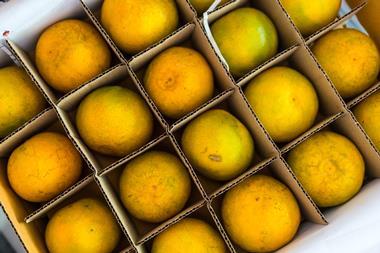
The second problem is geography. Where products such as oranges, satsumas and mandarins are concerned, a tariff suspension would likely have “very limited benefit” because the majority of supply comes from the EU, Hyde argues, with this picture unlikely to change, especially given the upcoming SPS deal with the bloc.
The same is largely true of olive oil – which appears in the second tranche of proposed suspensions published at the end of May. Much of the UK’s supply comes from the EU and is thus already zero-rated, though the suspension could open up some supply from the likes of Tunisia and Turkey, with about 15% of some olive oils currently subjected to tariffs.
The third issue is where in the supply chain the relief lands. “We think a bigger impact on consumer prices would be through [a tariff suspension for] ingredients, with far less of an impact on finished goods,” Hyde says.
“Most FDF members also anecdotally say that tariffs represent a very small part of final food prices, and that domestic costs are much more significant, through factors such as energy, labour and logistics.”
His overall conclusion is that ultimately the main beneficiaries of Reeves’ plans would likely be big producers such as the US, China, Brazil and Thailand, rather than developing countries (or even consumers), as these large countries would have the wherewithal to upscale production quickly to potentially capitalise on what was a relatively short-term reduction in export costs to the UK.
There are some genuine winners though. Hyde cites limes, from the second tariff package, where 27% of supply is sourced from Brazil and are currently subject to tariffs. There could also be some opportunities for an increase in Chinese green tea exports to the UK from the second package announced last month, which is currently subject to 2% levy.
Bananas are more of a minefield, however. Only 20% of the UK’s banana supply is duty-free, with “quite significant” varying levels of tariffs from countries such as Colombia. However, Hyde stresses the banana tariff is also subjected to a “complicated tariff regime” linked to specific quotas, where some reductions already exist.
Lower income countries could suffer
And as Fairtrade Foundation director of advocacy Marie Rumsby points out, a suspension on bananas, plus cocoa products among others, “risks overlooking the preferential trade arrangements in place for lower-income countries, leaving small-scale farmers unable to compete with heavily subsidised, mass-produced exports from wealthier nations”.
The Treasury stressed the latest tariff list “takes account of domestic production and does not include any significant UK primary agriculture production”.
But given the list includes products such as bread, chocolate, confectionery, biscuits, pizzas, jams and marmalades, it was “news to me we don’t make these products in the UK”, the industry source drily puts it.
The use of the term ‘agriculture production’, rather than ‘food production’, is also telling. “That kind of language might reassure farmers, but it doesn’t reflect concerns within food manufacturing,” they add.
Overall, this second package is the “one that concerns our members more, because it cuts across many of their products”, Hyde says, echoing FDF CEO Karen Betts’s ccomments last month, when she warned “removing tariffs on products that businesses make here in the UK undermines rather than supports those businesses and the people they employ”.
Added to that are unresolved questions about existing government duty suspension processes – through which companies have “proactively applied for specific ingredients” to improve competitiveness in recent years. The FDF says it is still waiting for an update on the future of these packages.
Hyde then points to recent research by the IFS, which “estimated that even if you reduced food tariffs completely, the prices faced by households would only decrease by 0.7% to 1.2%, “so very low”, he stresses, especially given the FDF’s own recent warnings that food price inflation could near the 10% mark by the end of the year.
The UK Trade Policy Observatory came to a similar conclusion in a 2022 report, one whose title “why bother?” now hangs over Reeves’ plans.

No comments yet