

Every year at Seep, we have a big campaign around Plastic Free July. This year, despite running a plastic-free brand, we barely mentioned it.
We weren’t the only ones: there was a lot less press this year, too. After mulling over why this could be, I’ve concluded that, just like its distant cousin Veganuary, the Plastic Free July format now needs to evolve.
First, though, huge credit where it’s due. In 2011, Rebecca Prince-Ruiz and a few friends in western Australia decided to skip single-use plastic for a month. That experiment became a movement of 174 million people across 190 countries, who have avoided 15 million tonnes of waste in seven years.
The awareness it built helped change UK law. Carrier bag usage is down almost 98% since the 2015 charge – that’s 7.4 billion fewer bags a year, and microbeads, straws and plastic cutlery have all been banned since. It’s pretty extraordinary.
The future for sustainable habits
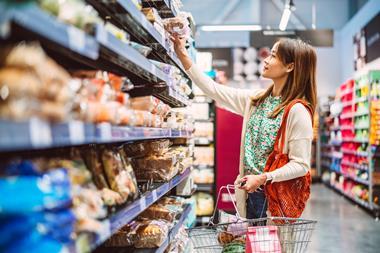
So why does it need to change? The first reason is simple. Plastic is in our packaging, our clothes and the ingredients of everyday products, so when people inevitably fall short of a plastic-free month, guilt creeps in. Guilt is a terrible motivator, and many shoppers quietly give up on the whole idea.
Then there’s the calendar. Going cold turkey for one month a year creates a yo-yo effect. We cut back hard in July and drift back to normal by September. We’ve seen the pattern before with Veganuary. January brought spikes in meat-free sales, and February brought most shoppers back to their old baskets.
What actually changed the category was flexitarianism – millions of people reducing meat consumption imperfectly all year round – and the retailers and brands who spotted that early have done really well by offering up alternatives alongside meat, on shelf, in promotions and in their recipe content.
But the third reason matters most. Fifteen years of asking consumers to try harder has taken us as far as it can. No amount of individual willpower can outrun a tide of plastic production, which the OECD still expects to grow 70% by 2040.
Households should keep doing their bit, and many want to, but shoppers don’t decide what’s on the shelf. The baton must now pass to brands, retailers and government to make sure it’s easier to meaningfully reduce plastic all year round.
The commercial reality
There’s a commercial prize in doing so, too. Plastic is fast becoming a health story, with two in three UK adults worried about plastics in food packaging affecting their health. Shoppers who’ve tuned out of green messaging still care deeply about what ends up inside their families.
For buyers and product teams, the direction of travel is clear. Extended producer responsibility has put a real price on packaging, and a deposit return scheme arrives in October 2027 (fingers crossed this is finally it). There are encouraging signs here, with The Grocer recently reporting Wrap’s new expert groups, including a reuse and refill arm chaired by Tesco’s head of packaging. The task now is pace and making sure whatever is introduced has real teeth.
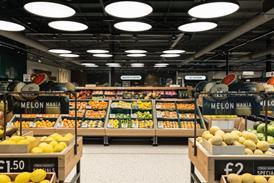
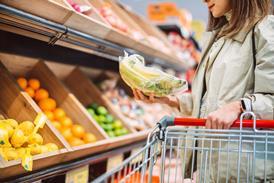
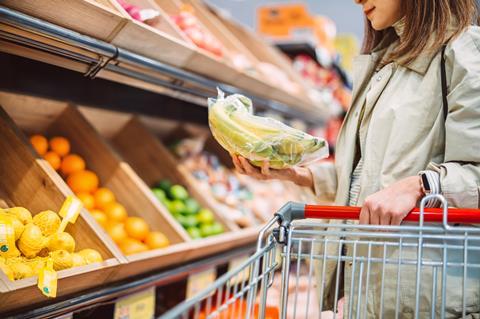
France has gone further still. Since 2022, French law has said uncut fruit and veg under 1.5kg should be sold loose. No plastic-wrapped bananas, no shrink-wrapped cucumbers. And from 2030, the EU will roll the same rule out across every member state.
So thank you, Plastic Free July, for putting it on our agendas and showing that small changes can stack up. Now let’s pass the mantle from shopping baskets to boardrooms, backed by some more ambitious government legislation.
A handful of friends changed how millions of us think about plastic. Imagine what this industry could do with its buying and willpower behind the same idea.
Laura Harnett is founder of Seep


No comments yet