

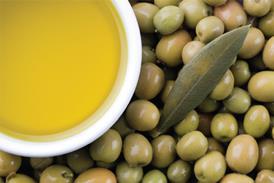
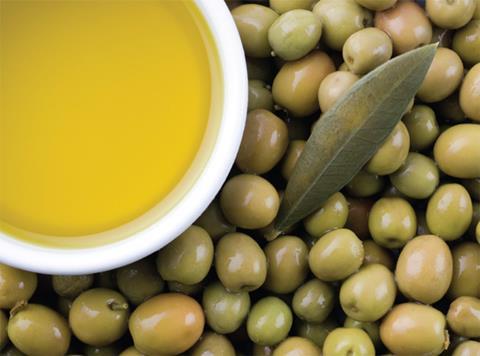
Tunisian olive oil producers are targeting the UK as prices finally stabilise following an unprecedented period of volatility.
Olive oil prices have hit record highs over the past few years as a sharp fall in production triggered global shortfalls.
The UK imported less olive oil through this period as a result. However, with global stocks recovering and sales rebounding, the UK is seeing a new entrant, boosting stocks further.
Tunisian olive exports to the UK have more than quadrupled since October as the country’s newly planted groves enter into full production. The majority of this is understood to be sold under the Terra Delyssa brand.
The UK imported more Tunisian olive oil in April and May this year than all of 2024, with imports peaking in December at over 450k litres, UK trade data shows. Before last year it never exceeded 80k litres in a month.
While it still remains a small fraction compared with the UK’s imports from Spain and Italy, Tunisia is a new competitor on the market that supermarkets and other suppliers will keep a close eye on, industry sources suggest.
Across the rest of the market, olive oil prices are currently stable as buyers await a forecast in September for the upcoming harvest.
Recent rainfall across Spain and other major producing nations has allowed global stocks to recover and reduced prices over the past year.
If the next forecast suggests a good crop in Spain – which makes up half of global production – then bulk oil prices should fall as millers look to liquidate their current stocks, said Walter Zanre, CEO of Filippo Berio UK.
“Vice versa the prospect of a poor crop will firm prices as millers will want to carry forward stocks,” he added.
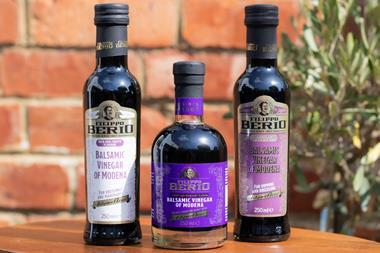
However, Zanre noted that olive oil prices in retail remained high compared with historical levels, with a 500ml bottle of Filippo Berio’s extra virgin olive oil now costing around £7.50, down from £10.50 in 2024 but up from £3.75 in 2022.
It comes as Deoleo, the world’s largest olive oil company, last week said it believed the upcoming harvest would deliver a solid global yield.
“The highly complex market cycle experienced between 2022 and 2024, which had a severe yet temporary impact on the industry, is now definitively behind us,” Deoleo CEO Cristóbal Valdés told CNBC.


No comments yet