





More than a tenth of UK food imports are at risk from the impact of El Niño, new research has found.
The Energy & Climate Intelligence Unit has found that the nations most vulnerable to climate change-driven extremes were the source of 13% of UK food imports, worth £8.9bn.
The 15 top suppliers from that group alone made up 11% of UK food imports, worth £7.4bn.
That included rice, for which India is the UK’s biggest supplier, as well as soft and citrus fruits like grapes, lemons, oranges and nectarines from South Africa, Peru and Egypt, coffee from Vietnam and Brazil, coca beans from Ivory Coast and Ghana, Colombian and Ecuadorean bananas, and Kenyan tea.
It comes as an El Niño event has been confirmed as 80% likely in the coming months by the World Meteorological Organisation, with 2027 expected to be the hottest year on record.
“The threat from climate change is growing, hitting the food crops themselves, but also the workers we rely on to produce them,” said Gareth Redmond-King, head of international programme at ECIU. “In countries like India where the mercury is currently hitting the high forties degrees Celsius, it’s simply dangerous to be outside working which puts health, livelihoods, and steady supplies of food in jeopardy.”
All 15 of the top importing developing countries score below 50 on the Notre Dame Global Adaptation Initiative (ND-GAIN) Climate Vulnerability Index. This means they face significant climate risks while having more limited capacity to adapt, ECIU said.
It warned that it was putting pressure on farmers and agricultural workers who are “some of the people most vulnerable to climate extremes”.
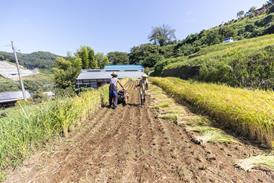
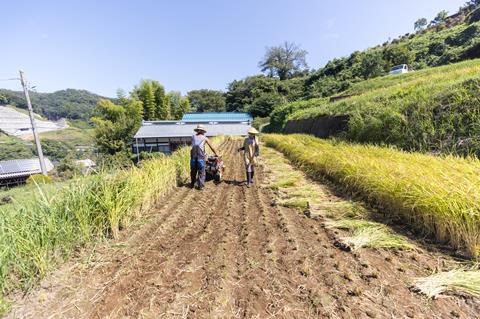
“Extreme heat makes the already difficult job of farming even harder,” said Shamika Mone, a rice farmer in India and president of the Intercontinental Network of Organic Farmers. “There are real fears that hotter, drier weather caused by a super El Niño could damage harvests.”
Redmond-King added: “Unless we halt climate change, with reaching net zero emissions being the only way to do that, heat in the fields will continue to spiral and no form of adaptation will make that bearable for farmers threatening them and the food they grow for us.”
Climate change impacts on their own have already hit harvest around the world, ECIU warned, with climate impacts adding around £360 to the average UK household food bill in 2022 and 2023 alone.
“Foods we import to the UK that are hit by climate change are disproportionately driving food price inflation, and we know that many of those higher prices are unlikely to fall fast or soon,” said Chris Jaccarini, food and farming analyst at ECIU.
“Short-term shocks like the closure of the Strait of Hormuz add new layers of threat to our food imports, and to food security in producer nations, given the shift towards more sustainable farming is ongoing and reliance on gas-based synthetic fertilisers is still very high.”









No comments yet