




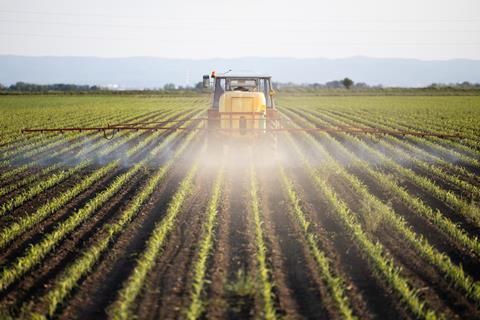
The amount of glyphosate being applied to UK crop has risen by 1,000% since 1990, new data analysis from PAN UK has revealed.
Analysis of government data by the organisation revealed the amount of the herbicide being applied to UK crops rose from 200 metric tonnes in 1990 to more than 2,200 metric tonnes in 2024.
Major increases were particularly seen on crops like potatoes, which rose from 1.5 tonnes to 66 tonnes per year.
During the same time period, the area of UK farmland treated with the herbicide increased tenfold to over 2.6 million hectares in 2024, sixteen times the size of Greater London. The vast majority of these increases took place within the arable sector, with cereals leading the way.
“Today’s figures reveal the UK’s glyphosate addiction has spiralled out of control,” said Nick Mole, researcher at PAN UK. “We know glyphosate has links to a range of cancers and other life-threatening diseases, and that it damages the environment, polluting our waters and harming wildlife.”
The government is set to decide whether to reapprove glyphosate by mid-December, which could see it approved until 2041.
“The government urgently needs to commit to phase out – and ultimately ban – glyphosate and support farmers and local councils to adopt safe and sustainable alternatives,” Mole added. “Otherwise, we will all continue to pay the price.”
Martin Lines, an arable farmer and CEO of the Nature Friendly Farming Network, said the latest data should be a “wake-up call”.
He has urged that the use of glyphosate be driven down and farmers offered practical alternatives, advice and incentives from government and the supply chain to drive down pesticide use.








No comments yet