

European households are wasting hundreds of pounds a year by throwing away fresh vegetables, according to frozen food giant Nomad Foods.
The Birds Eye owner’s second annual Frozen In Focus report revealed 50% of households were discarding fresh veg every month, despite them facing significant, ongoing cost of living pressures.
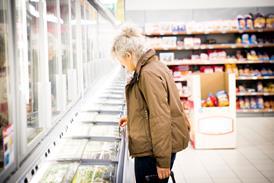
However, with the figure plummeting below 30% for frozen vegetables, Nomad estimated families could save up to £539 annually through better freezer use – something only 36% of consumers said they did to save money.
The frozen food giant’s research also revealed that consumers still believed fresh produce was “more nutritious than frozen”.
Sixty-five per cent of people believed fresh potatoes were more nutritious than frozen, with similar assumptions uncovered for chicken (63%) and fish (63%).
That came despite UN Food and Agriculture Organization estimates that showed 526 million tonnes of food was wasted a year globally due to insufficient refrigeration.
“We’ve created a food culture where ‘fresh’ feels like the better choice, but in reality, it’s costing families hundreds of euros a year in wasted food,” said Nomad Foods CEO Dominic Brisby. “At a time when people are trying to make their budgets stretch further, rethinking how we use frozen food could make a real difference.”
Nomad’s report surveyed 10,750 adults across the UK, France, Germany, Italy, Sweden and Croatia, and comes at a time when Europe faces mounting food inflation and food security pressure.
It said climate disruption, geopolitical tensions and shifting regulations were making food systems more volatile, with some categories already under significant strain. Nomad Foods showed the cost of whitefish had risen by over 130% over the past 20 years, compared to the 60% seen in chicken.
However, by locking in nutrition, extending shelf life, reducing waste and allowing supply chains to be managed over longer periods of time, Nomad argued frozen supply was more resilient than fresh.
“What works for households also matters at a national and European level,” Brisby continued. “Frozen food is not a compromise – it’s one of the most practical tools we have to improve access to everyday protein, reduce waste and build resilience into the food system.”
He added: “Europe needs a more balanced approach, where frozen sits alongside fresh to secure nutrition, manage household bills and prevent waste.”

No comments yet