





Oatly delivered a “robust performance” in its most recent financial year thanks to steady consumer demand and its new product pipeline.
The accounts for the year to 31 December 2025 showed the business’s revenue dipped slightly to £103.2m compared to £104.8m.
This was attributed to a change in its operating model in Ireland, which resulted in Oatly UK no longer recognising revenue relating to the Irish market which the accounts said would impact the comparability of results.
Bryan Carroll, GM of Oatly UK & Ireland told The Grocer there had been a ”significant investment in Ireland, where we transitioned from a distributor model to a direct operating model with a dedicated local team”.
Despite this change, the business delivered “strong topline growth” he said, with operating profit increasing by 9.8%, rising from £1.7m to £1.9m.
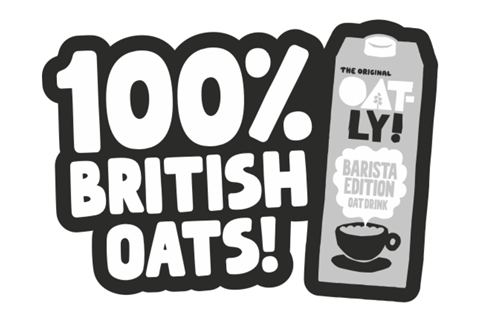
“2025 was a strong year for Oatly, with growth across the business driven by our taste-led strategy and momentum across both retail and out-of-home channels,” said UK and Ireland general manager Bryan Carroll. ”Oatly Barista continues to help hospitality partners elevate their drinks menus, while innovations such as Oatly Matcha Latte are bringing new and younger consumers into the category.”
In the report, the directors said new products and formats, demand for plant-based products, and targeted brand campaigns focused on promoting the product’s health benefits supported this growth.
“Operational efficiencies and strategic initiatives contributed to the company’s performance, in line with the wider Oatly Group’s transformation agenda,” the directors added. “These efforts reflect the company’s commitment to sustainable growth, innovation, and operational excellence.”
Looking ahead, the brand said the inflationary pressures felt across the broader economy had pushed up costs across transportation, manufacturing, packaging, electricity and ingredients.
The added risk to these inflationary pressures is that the business found consumers were looking for more low-cost products.
It also recognised that it operated in a “highly competitive market” competing for limited retail, coffee shop, foodservice and restaurant customers.





No comments yet