


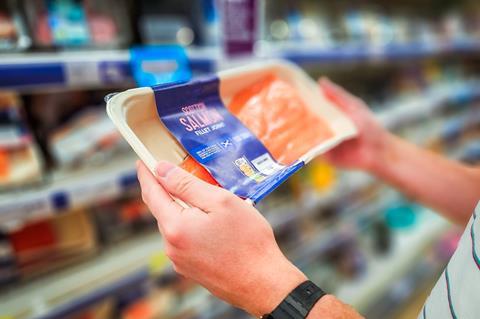
Loch Duart has dived deeper into the red thanks to the worst mortality event in the company’s history and depressed market prices.
Mass deaths at one of the company’s sites due to jellyfish and lower prices due to a greater supply of salmon in the market increased its operating loss by around 1,200% from £649.9k to £8.4m, according to its annual report for the year ended 31 March.
The incident that occurred at Loch Duart’s Gob Na Hoe salmon farm off the coast of the Isle of Skye last autumn also resulted in the company’s first-ever biomass insurance claim, which was settled to the tune of £1.7m.
It was only through “significant investor support”, such as the £8.3m in additional equity the company received in the fourth quarter, that Loch Duart was able to continue with plans for “long-term and sustainable growth”.
Despite the “setback”, which caused cost of-sales to increase from £42.2m to £63.1m, Loch Duart’s revenue surged £18.5% from £55.1m to £65.3m.
The business also recorded its “highest-ever harvest volume” of 8,142 tonnes and ended the year “with more sites in operation and more fish at sea than ever before”.
The value of the business’s property, plant and equipment increased from £57.6m to £66.8m and its biological assets rose from £41.3m to £49.2m.
The company said this was achieved through “increasing the number of operating sites to increase the production volume whilst addressing the increasing biological challenges created by rising water temperatures”.
“The company’s approach to farming, particularly farm size, allows it to apply fewer intensive solutions which put less strain on fish.”
It added that it was continuing work to develop existing sites and that at the year end, planned investments were “in line with expectations”.
Loch Duart said it would also continue to explore opportunities in Canada through subsidiaries Snow Island Salmon and Atlantic Sea Smolt.
Loch Duart declined to comment.



No comments yet