




Ukrainian poultry giant Avesterra Group is eyeing a big push into the UK chicken market after completing successful trial shipments to British buyers over the summer.
The supplier ranks fourth in Ukraine by poultry meat production volume and second by the volume of poultrymeat sold on the domestic market. It has processing sites across seven Ukrainian cities and an annual poultrymeat production output in excess of 55,000 tonnes per year, sourced from 120 poultry houses.
Following an investment of more than €75m to build “one of Ukraine’s most modern poultry processing plants in the Volyn region” in the north west of the country last year, the business commenced its first delivery of chicken under the Delika brand in July.
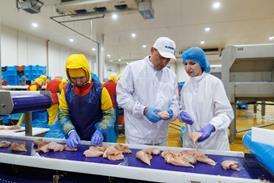
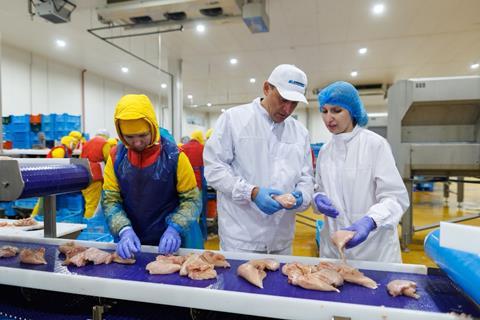
Further shipments followed in August and September, marking the beginning of regular sales to the UK market. Avesterra’s new site covers 30,000 sq m, and is equipped with modern European machinery and automated lines with a capacity of 13,500 broilers per hour.
The supplier told The Grocer it was also investing in new poultry houses, technologies and biosecurity, enabling it to “control the full production chain and ensure product quality, safety and traceability”.
To enter the UK market, the company underwent “comprehensive inspections, implemented the required food safety procedures, obtained FSSC 22000 certification and was approved as an establishment authorised to export poultry products to Great Britain”, said owner Dmytro Dobkin.
Avesterra is primarily targeting the UK B2B market, with the aim of selling to retail and foodservice in due course too.
The move is part of a wider European export push that has also seen it commence shipments to the Netherlands and Estonia this year. It is hoping export volumes will reach approximately 1,000 tonnes of poultrymeat per month by the end of 2027, equal to around 20% of total production.
The export push represented a bid to diversify sales for the business, while still focusing on its key home market and feeding the Ukrainian people – almost five years after Russia started its war with the country, Dobkin stressed.
It follows the UK government’s extension in January of tariff and quota-free access for Ukrainian poultrymeat and egg exporters until March 2028, and amid an already significant uptick in imports from the country.
Dobkin said export revenues benefited the company in terms of foreign currency, which could then be used to buy the day-old chicks from Poland, Hungary and Czechia that the business required to grow birds in Ukraine.
UK buyers were “helping to support our business”, a “grateful” Dobkin said, while pointing to the difficulties of operating a major food business under constant threat of Russian attack.
The company had learnt to adapt to the “permanent state of danger” Ukraine was facing, though the situation remained “challenging”, he added. “But there are still around 30 million Ukrainians who continue to live and work here, and that should be enforced by [continued] food supply.”
Avesterra’s entry into the UK market follows that of the country’s biggest poultry business MHP, which has sold poultry products under brands such as Qualiko since 2021 in retailers such as Iceland and via foodservice.




No comments yet