


We are surrounded by food, but starved of nutrition. More than one in three children leave primary school at risk of diet-related illnesses, with children from disadvantaged areas doubly at risk.
My little sister gets the riveting option of pizza or fish fingers at school, every day. Children opting for the full plate of chips over the limp salad has been warped into ”kids don’t like healthy food”, so the caterers won’t improve their offering.
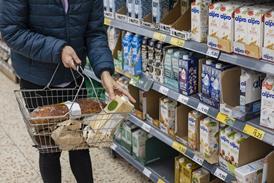
Picture your local supermarket. Mine can only be described as a “rainbow headache” of bright packaging, shelves flooded with ultra-processed food and sugary breakfast cereals dressed up as “high in protein” or “perfect for kids”!
Picture your local high street. Walking along mine feels like diving into a fast-food edition of the game Candy Crush. A kaleidoscope of glowing shop windows competing for centre stage. With free wi-fi, brilliant marketing and a warm space, these are the youth clubs of 2026.
Turn on the football: between hogging the spotlight at sports games to bombarding us with advertisements every minor holiday, junk food has become the cultural wallpaper.
But here’s the thing: the chocolate shrines to cartoons lining supermarket shelves at children’s eye level, the coup of teenage culture by sugary energy drinks, and the outpouring of junk into deprived and school-adjacent high streets is not accidental.
We are living in a manufactured health crisis, driven by industry profit lines – and it’s wrecking the health of a generation.
Reforming our food environment
The public backs reform and, albeit slowly, government is moving. Those continuing to bombard young people with ads and flooding our spaces with junk are no longer just reckless and malicious – they’re cowardly.
The total spend on outdoor advertising by the UK’s nine biggest food and drink advertisers in 2024? It was £348.3m. Fitted with teams of talented marketing specialists, nutritionists, strategists, and chefs, the power, talent and resource in the food and drink industry is something to marvel at.
But it seems the mightiest players would rather hide behind lobbyists, blocking measures to protect child health, than rise to the challenge of creating and promoting genuinely nutritious, exciting, and affordable products.
The rules of the game are changing, and industry has to embrace it if they want to win. Civil society, government, and the public have made clear their priorities lie with child health. Pushing junk at children, however cleverly dressed up, is a dead end.
The industry still has the chance to do better than tobacco did – to be part of a food system fit for purpose. Now is the moment to innovate and race to the top.
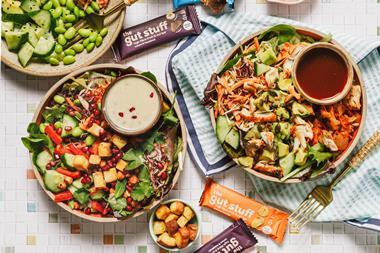
Pockets of bravery are already erupting across industry. Hodmedod’s is reviving forgotten British crops, forging a new market of minimally processed whole foods from scratch. Dash is proving that soft drink reformulation means inventing something better, not reaching for the additives. Atis and Farmer J have killed the myth that nourishing food can’t be exciting. All are experiencing rapid growth, meeting authentic demand to thrive rather than manufacturing addiction.
Conspicuously absent from these examples are major manufacturers, retailers, and out-of-home companies – either in denial or repeating tobacco’s old playbook of procrastinating decline. Whilst HFSS products face scrutiny, around three-quarters of Kellogg’s portfolio remains HFSS. Four in five products from McDonald’s highest-spend outdoor ad campaigns in 2024 were HFSS. Yet these are the companies well resourced to crack the code – to create nourishing, fulfilling options that inspire their customers and empower affordable thriving at scale.
The task ahead isn’t complicated, even if it isn’t easy: invest in, grow, and transform your portfolio’s healthy products into money-making superstars. You’ve already proved you can sell anything.
A world where nourishing options take centre stage is entirely within reach – and the stakes of not getting there are high. As young people across the country continue working with government and civil society to derig our food system, we will be watching – and waiting – for the major players in industry to finally start acting their size, or get left behind.
Alice Mazon is a member of the UK Youth Food and Farming Forum



No comments yet