


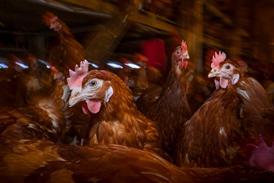


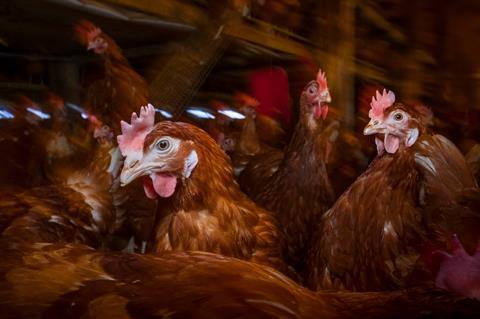
England and Wales have lifted their bird flu housing orders after Defra’s latest risk assessment found the risk of highly pathogenic avian influenza levels in wild birds and poultry had reduced.
It means poultry and other captive birds will no longer need to be housed and can now be kept outside, unless keepers are in a protection zone or captive bird monitoring (controlled) zone.
The department warned avian influenza prevention zone mandatory biosecurity measures would remain in place until the wild bird risk falls further, however.
“With the threat of avian influenza receding, birds can now be allowed access to ranges and outdoor areas,” said deputy UK chief veterinary officer Jorge Martin-Almagro, ahead of restrictions lifting on 2 April. “Although the risk to poultry has reduced, there remains a risk that poultry and other captive birds can still contract bird flu.”
He continued: “I urge keepers to take steps to prepare outdoor areas before letting birds out. It is still essential that birdkeepers remain vigilant and implement rigorous and strict biosecurity.”
Read more: The cage conundrum: trends in eggs 2026
There have been 97 confirmed cases of bird flu in the UK (combining HPAI and LPAI variants) so far, with the vast majority occurring in England which had 76. Wales, Northern Ireland and Scotland reported seven, five, and nine respectively.
Northern Ireland has not lifted its housing order, The Grocer understands, and Scotland did not implement one.
Defra records bird flu numbers from 1 October to 30 September, and while there had been concerns it could have been one of the worst on record, the total number of cases is still far below the totals for 2023/23 and 2021/22, which experienced 208 and 158 cases each.
Chief veterinary officer for Wales Richard Irvine added: “Whilst we are seeing risk levels reducing, bird flu has not gone away. Please continue to practice scrupulous hygiene and biosecurity to protect your birds.”
British Poultry Council chief executive, Richard Griffiths supported the move, adding the support the industry received from government and officials had been ”exemplary”.
”A housing order has three purposes: to protect free-range birds, to limit the spread of the disease, and to support trade efforts,” Griffiths said. “We strongly supported the housing order and feel that it has met those three objectives.”









No comments yet