





Food sales drove a rise in retail sales in September, but overall figures “remained subdued” as shoppers continued to be “cautious with spending” ahead of the autumn budget.
Food sales increased by 2.5% year on year during the five weeks from 30 August to 3 October. However, this was against a growth of 4.3% last September, according to the latest BRC-KPMG retail sales monitor.
Non-food sales saw a modest uptick of 0.3% year on year, against a growth of 0.7% in September 2025.
In-store non-food sales increased by just 0.1%, compared with 0.5% growth the previous year and online non-food sales rose by 0.7% against a growth of 1% in 2025.
As a result, total UK retail sales increased by just 1.3%, compared with 2.3% the previous year and below the 12-month average growth of 1.5%.
“Retail sales growth remained subdued in September as households are still cautious with their spending ahead of expected rises in household bills and taxes,” said BRC CEO Helen Dickinson.
“The Chancellor cannot promise to ease the cost of living while piling more costs on to the retailers working to keep prices down. With confidence fragile, this budget is a critical test. Retailers will do everything they can to protect value for customers, but government must play its part.”
She said that another rise in business rates would “push up pressure on prices, choke off high street investment and put local jobs at risk”.
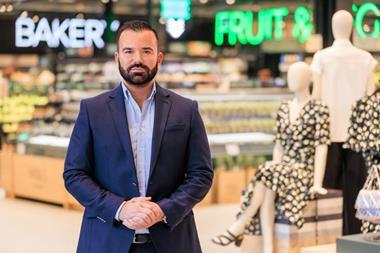
IGD CEO Sarah Bradbury said that looking ahead, ”Halloween may support impulse grocery sales in the short term”. However, she noted that food businesses’ attention would be “firmly on the budget and what it could mean for consumer spending power, business costs and demand heading into 2027”.
It comes as a recent poll for the BRC found that nine in 10 UK adults want the government to prioritise the cost of living in the autumn budget.
Last week, the trade body called on Chancellor John Healey to help the public by helping retail, urging him to create more room for investment by raising the employer National Insurance threshold from £5,000 to £6,000, freezing the CPI-linked increase in business rates, and removing shops from the high-value multiplier.



No comments yet