




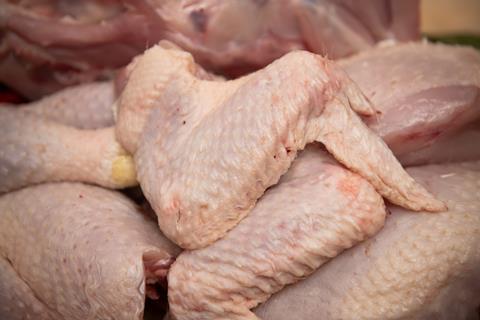
Over 20 environmental, animal welfare and farming organisations have called on the government to prevent the expansion of “intensive poultry farming” and change poultry farming methods through the upcoming poultry sector growth plan.
The coalition, led by River Action UK, wrote a letter to Defra secretary Angela Eagle this week pressing for the release of analysis showing “the need for more poultry” and to pursue a “regenerative poultry sector growth plan”.
According to the group, the plan would support profitable farming while “delivering the government’s legally binding commitments to restore nature, improve water quality, reduce air pollution and strengthen long-term food security”.
This would be achieved by using pasture-based, agroecological poultry systems and a “focus on reintroducing livestock into primarily arable catchments to support a better national nutrient balance through mixed-use farming”.
“Before the government endorses further growth, it must confront the environmental costs of the industry, uncertainty around existing poultry capacity, and the huge quantity of waste that will need to be dealt with when poultry litter incineration subsidies end,” said River Action CEO James Wallace. “There is a better way.”
The coalition has also called for greater representation on the working groups involved in the Farming and Food Partnership Board and to consult publicly on the poultry sector growth plan.
It added that government should introduce catchment level limits to prevent the accumulation of poultry units in places “suffering from nutrient pollution”.
“We can support profitable poultry farming that works with nature, improves animal welfare, strengthens local food systems and helps restore our rivers,” Wallace said.
However, this is at odds with requests of the food industry. This week the National Audit Office warned that the government risked being blindsided by a major food supply emergency because Defra had failed to “encourage businesses, households and communities to strengthen resilience”, while 2 Sisters president Ranjit Boparan said rising costs, weak infrastructure and planning delays were “holding us back”.
British Poultry Council CEO Richard Griffiths said the coalition’s letter was an example of “NGOs failing to understand the resource need and impact of what they are asking for”.
He explained that land three-quarters the size of Birmingham would be required to meet the demands of the charities, which he said was a “step too far”.
“The right question to ask is whether we want to take responsibility for our own food security, back our own high standards, and feed our people for the foreseeable future,” Griffiths added.
Defra told The Grocer that the Poultry Sector Growth Plan remained under development and that recommendations were still being considered.
“We are improving farm productivity, increasing profitability, and strengthening the contribution of domestically produced food for the benefit of our national security, working with industry as part of the poultry sector growth plan,” a Defra spokesperson said. “We are working closely with the poultry sector to ensure growth goes hand in hand with animal welfare and that the environmental impacts of production systems are always considered.”








No comments yet