




Consumer interest in fibre has never been higher. Searches for “fibremaxxing” rose 170% year on year in the week to 10 May 2026, according to Google Trends data, and Mintel research found 60% of adults became more aware of fibre’s health benefits in the 12 months to September.
Yet for bakery brands hoping to cash in on that growing interest, turning it into sales is not proving straightforward.
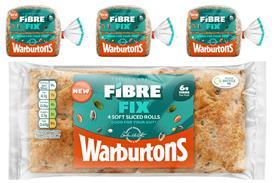
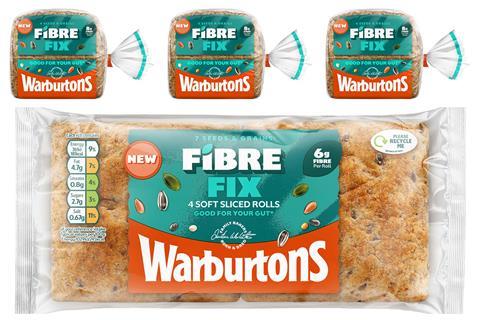
In January, Warburtons debuted its Fibre Fix loaf, with the promise of “a clear and delicious solution” for shoppers looking to increase their fibre intake – only to withdraw the offering in the summer.
Similarly, New York Bakery pulled its Fibre Plus bagel from shelves in September, having only launched it in April 2025. It was introduced alongside Protein Boost and Lighter bagels as part of a new health & wellness range.
So, at a time when consumers are more interested in fibre than ever, why are they eschewing bakery products designed to help them get more of it? And why did Fibre Fix and Fibre Plus fall flat?
Fibre Fix was “brutally functional”, says Alex Beckett, senior director of food & drink research at Mintel. The branding made it sound “a bit like a supplement”, he says.
That was problematic given high-fibre foods still carry “negative perceptions of having flavour and texture compromises”.
“Some reference to the quality and the pleasure has to be there, especially from a heritage brand like Warburtons,” Beckett adds.
But branding was only part of the problem. Fibre Fix and Fibre Plus were also attempting to solve a problem many shoppers have already solved through existing wholemeal, wholegrain and high-protein products, argues Jon Walsh, co-founder of Bio&Me.
Consumers “know if they want fibre in bread, they go for wholegrain or wholemeal”, Walsh says. “They know that’s how the category works.”
That echoed Warburtons’ own assessment, which found shoppers were getting fibre from “products already in their bakery repertoire”, including its own Protein range.
New York Bakery’s Fibre Plus bagels were also competing with its existing Wholemeal and Protein Boost variants, which “already offered plenty of fibre”, says Louis Bedwell, an independent consultant and food industry adviser. “Established buying habits can be difficult to change, even when new products do offer a genuine nutritional benefit,” Bedwell adds. “Perhaps there wasn’t a strong enough reason to switch.”
That was reflected in the wider performance of New York Bakery’s Health & Wellness range, which was “performing positively” despite Fibre Plus being discontinued, New York Bakery says.
The launches may also have arrived at a time when bakery shoppers were becoming increasingly sceptical of trend-led innovation.
When consumers think a brand is simply “jumping on a bandwagon”, rather than building on its existing strengths, a launch is less likely to resonate, says Walsh. “Stick to your DNA and what you’re good at, because that’s why consumers are buying you.”
One food industry insider points to growing consumer fatigue with the sector’s “short-term innovations driven by food fads”.
“Consumers in the bread aisle had been rapidly marched through protein, sourdough and now fibre, and seem to be growing cynical about the next big thing, particularly when none of these trends tackles the deeper nutritional problems with everyday food,” the source says.
For bakery brands looking for a new opportunity in the fibre trend, it may lie not in launching dedicated new ranges, but in increasing fibre levels across everyday products without compromising on taste or price, Bedwell suggests. That would offer a “much bigger opportunity to improve fibre intake” across Brits’ diets.









No comments yet