






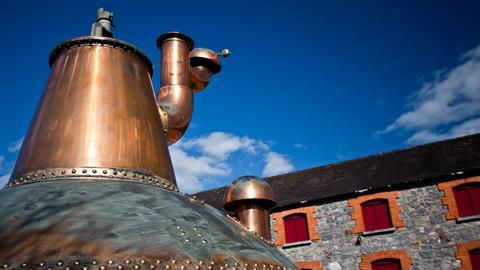

Wine and spirits suppliers have every right to feel aggrieved by yesterday’s budget, which offered little in the way of support at a time when many are facing an unpleasant cocktail of declining sales and rising costs.
In his maiden budget, Chancellor John Healey surprised industry watchers by unveiling a £10m support package for smaller suppliers making alcoholic drinks of 8.4% abv and under. The measures, which include a more generous duty discount on products less than 3.4% abv, as well as an uprating to the marginal discount offered on products between 3.5% and 8.4% abv, would strengthen “incentives to produce lower-strength products”, according to budget documents.
It comes after a review of the 2023 alcohol duty overhaul found the strength-based duty system was “encouraging producers to innovate, reformulate and meet the demand for lower-strength products”.
However, there was little cause to celebrate for suppliers that do not qualify for Small Producer Relief – offered to those producing fewer than 4,500 hectolitres of pure alcohol per year – and to those making products stronger than 8.4% abv. Instead, these suppliers will be forced to swallow a fourth increase in their duty bill in under four years, with base rates set to increase by 4.55% from next February. It means tax will go up by 14p on a bottle of prosecco, 18p on a bottle of 14.5% abv red wine and 49p for a bottle of gin, according to calculations by the Wine & Spirit Trade Association.
Duty disparity
Critics argue the decision risks widening duty disparity between beer and cidermakers, and those producing wine and spirits.
“We asked for a fair deal, proportionate support and recognition of the contribution this industry already makes,” says Vincent McGovern, policy director at WineGB. “The failure to level the playing field, exemplified by the £10m alcohol duty relief given to British brewers and cidermakers, leaves behind UK wine producers and vineyards.”
Scotch Whisky Association director of strategy and communications Graeme Littlejohn is similarly aggrieved. The changes represent “just the latest example of a system that is weighted against spirits like scotch whisky”, he argues.
He’s got a point. Analysis by the SWA shows that, under current duty rates, a 50ml serve of 40% abv scotch whisky is taxed at 68p. A pint of 4.8% abv cider, meanwhile, faces a duty burden of just 21p, despite both drinks containing two units of alcohol.
Reformulation challenges
Add in the new measures in the budget, and the duty advantage handed to the small brewer or cidermaker becomes larger still. These producers can also reformulate their drinks to take advantage of the even more generous discount offered on alcoholic drinks under 3.5% abv, while legally a scotch whisky cannot be less than 40% abv.
“Although dressed up as a relief that all alcohol producers can access, the reality is that only beer and cider producers can get the now extended SPR,” says Littlejohn. “This is the same as so-called ‘draught relief’, which HM Treasury claims is open to all alcohol but in reality it is a tax break only available to beer and cider.”
Distillers and winemakers are trying to do their bit to incentivise drinkers to adopt healthy habits. Take Pernod Ricard, which promotes responsible drinking via its Drink More Water campaign with Jameson and the EFL. Then there’s Diageo, which has launched mid-strength versions of three of its flagship brands for consumers looking to moderate.
But the fact remains that reducing alcohol content in wine and spirits is a great deal more challenging – and sometimes impossible – for suppliers of these drinks to achieve.
So why should they, and the consumers that enjoy their products responsibly, bear the brunt of an ever-growing duty burden?









No comments yet