



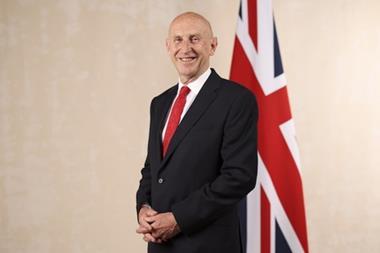
M&S Food MD Alex Freudmann has called on Andy Burnham to get the EU reset “done” after the PM yesterday confirmed the delayed summit with the bloc would take place on 20 November.
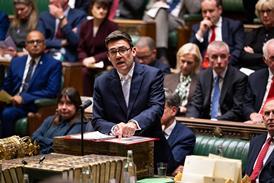
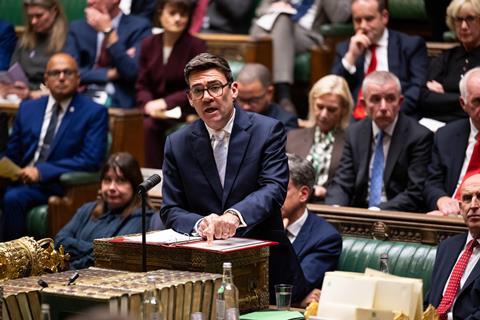
Burnham reaffirmed the potential benefits for the food sector of a reset in relations with the EU on Monday as he told MPs failing to forge closer links with Europe would be a “dereliction of duty”.
On the table for discussions at the summit would be the proposed sanitary and phytosanitary (SPS) deal – which will effectively take the agrifood sector back into the single market – alongside a potential agreement on emissions trading, a new youth experience scheme and deeper co-operation on immigration, the PM said in a statement to the Commons.
Burnham added the summit would also be an opportunity to “raise our concerns” about the EU’s Made in Europe industrial policy framework, which has reportedly created tensions in recent negotiations.
“Together, these deals will add the equivalent of over £10bn per year to the UK economy by 2040, with the potential to add significantly more,” the PM claimed, while stressing the UK “should not turn our backs on this opportunity”.
Potential progress on the SPS deal – which is due to come into force next summer – was welcomed by Freudmann, particularly if it alleviated border friction caused by Northern Ireland’s Windsor Framework, which had created significant sourcing issues for M&S.
“A shipment of M&S Food to Northern Ireland used to need one document. Now it needs over 200,” Freudmann said. “That paperwork doesn’t make food any safer, it just makes it slower, more expensive and more likely to go to waste.”
A deal meant “fresher food and fuller shelves for our customers, lifting the pressure on the price of the weekly shop”, he added.
“And it means British farmers are able to sell meat, fruit and veg into Europe without the red tape. The sooner this agreement is signed, the better – 20 November is the moment finally to get the deal done.”
In his Commons speech, Burnham highlighted the cost of export health certificates for exporters and the potential for the deal to reduce the price of food in supermarkets – though food sector bodies such as the FDF and BRC have previously warned the increased burden for manufacturers to adhere to EU rules in areas such as ingredients and labelling could negate any immediate savings.
“At present, entire truckloads of plants or fresh produce can be destroyed because of a single missing stamp or a minor paperwork delay,” the PM said.
“Fresh meat and fish spoil while waiting in trucks and tonnes of exports have to be written off,” he added. “Our largest food export, Scottish salmon, faces a 100% rate of document checks at the border, costing us around £100m in lost exports.”
Current, post-Brexit border bureaucracy was “having a real impact on businesses and the agreement on the table could reverse some of that damage”, Burnham claimed.
The 20 November summit would be “an opportunity to further strengthen the strategic partnership [between the EU and UK] and take a common stance in working together for peace and security in Europe”, said European Council president António Costa.
However, Burnham’s suggestion that the initial ‘reset’ agreement could also pave the way for further discussions on closer ties with the bloc, and for a potential Labour Party manifesto pledge to rejoin the EU, has angered both the Conservative Party and Reform UK.
The summit announcement gave “renewed urgency to the case for protecting the global supply routes that keep British consumers supplied throughout the year”, said Fresh Produce Consortium CEO Nigel Jenney, who has warned the SPS deal could add over £300m in extra costs and bureaucracy for companies importing produce from outside the EU.
“FPC supports a better trading relationship with Europe. Its concern is that the proposed sanitary and phytosanitary arrangements could ease European trade while transferring additional costs and disruption to imports from the rest of the world,” Jenney said.




No comments yet