




Greenhouse gas emissions at First Milk fell by almost 5% in the year to March 31, according to its latest impact report.
The co-operative also reported an 8.2% reduction in farm carbon intensity – its strongest annual improvement to date – which fell from an average of 1.13kg CO2e per kg of fat and protein-corrected milk to 1.04kg CO2e.
The business said its farmers had identified 342,613 “regenerative interventions”, including measures to improve soil health, increase plant diversity, protect watercourses and support biodiversity.
These helped to sequester 231,141 tonnes CO2e in 2025, which according to modelling by First Milk could increase to 264,828 this year.
While these are modelled estimates rather than direct measurements, the co-op found early results from its soil measurement programme with Agricarbon were showing measurable gains in soil carbon, with higher levels of regenerative farming activity associated with greater increases.
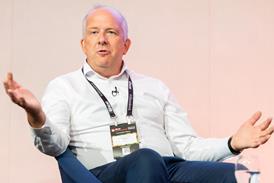
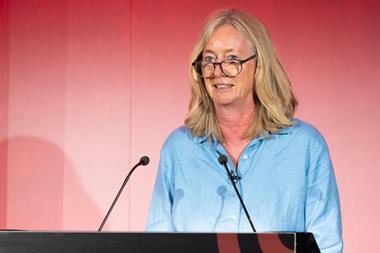
“Our regenerative farming programme is about much more than carbon – encompassing soil health, water quality, nature and biodiversity,” said First Milk chief executive Shelagh Hancock.
“We’re increasingly focused on building the evidence behind this work, moving beyond measuring what farmers do to better understand and demonstrate the outcomes those actions deliver.”
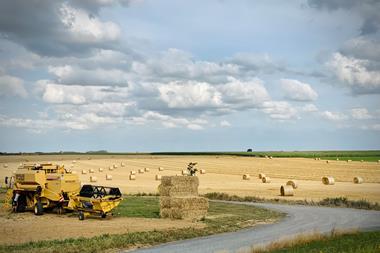
Over 96% of the co-operative’s 700 farming families were found to be participating in its regenerative farming programme, covering more than 99,000 hectares, the report found.
Additionally, the average farmer Regen Score, a measure developed by First Milk based on an index based on data around biodiversity, carbon sequestration and protection of water, was 66 out of 100. The business said this was more than double compared with when the programme began five years ago.
“There is still much to learn, and the science will continue to develop,” said Hancock. “Our focus is on combining practical action with credible measurement, while continuing to invest in our people and communities, to build a resilient co-operative that creates long-term value for our members and leaves a positive legacy for future generations.”
The dairy supplier said it was working with the Carbon Trust to develop a Science Based Targets initiative roadmap, while a partnership with the UK Centre for Ecology & Hydrology is developing practical ways to directly measure biodiversity on working dairy farms.
Water-risk mapping has also been rolled out across all First Milk farms, combining environmental mapping with nutrient footprinting data to help identify where interventions can have the greatest impact on protecting water quality, it added.
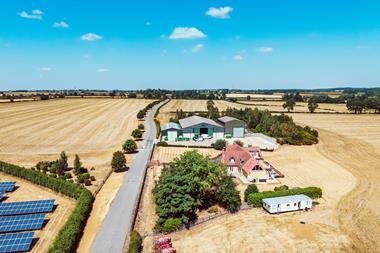
The business is also sourcing 100% of purchased electricity from “certified renewable sources”.






No comments yet